Invisalign in Modesto, CA: A Comfortable Way to Straighten Your Smile
A straighter smile can make everyday moments feel easier, from laughing in photos to speaking with confidence at work or school. For many patients, the idea of wearing traditional metal braces feels overwhelming. That is one reason Invisalign has become such a popular option for people looking for a more discreet, flexible way to improve tooth alignment.
For patients searching for Invisalign in Modesto, CA, the best first step is understanding how clear aligners work, what they can treat, and what the process usually involves. Invisalign is not a one-size-fits-all solution, but for the right patient, it can be a comfortable and convenient path toward a healthier-looking smile.
This article is for general education only and is not a diagnosis or treatment recommendation. Anyone considering Invisalign, braces, or any orthodontic treatment should schedule a consultation with a licensed dental professional who can evaluate their teeth, bite, oral health, and goals.
What Is Invisalign?
Invisalign is a clear aligner system that uses a series of custom-made plastic trays to gently move teeth over time. Each aligner is designed to apply controlled pressure to specific teeth. As the patient switches to the next set in the series, the teeth continue shifting gradually toward the planned position.
Unlike traditional braces, Invisalign does not use brackets or wires. The aligners are removable, nearly transparent, and made to fit snugly over the teeth. This makes them appealing to adults, teens, and busy patients who want orthodontic treatment that fits more easily into daily life.
Clear aligners are often used to address mild to moderate alignment concerns, such as crowded teeth, spacing, minor bite issues, and teeth that have shifted after previous orthodontic treatment. More complex cases may still require braces or another type of orthodontic care.
Why Patients Choose Invisalign
Every smile is different, but many patients are drawn to Invisalign for the same practical reasons. The treatment is designed to be discreet, comfortable, and easier to manage than many people expect.
A More Discreet Appearance
One of the biggest advantages of Invisalign is that the aligners are clear. While they are not completely invisible, they are much less noticeable than metal brackets and wires. Many patients feel more comfortable wearing them during work meetings, school, social events, and photos.
Removable Aligners
Invisalign aligners can be removed for eating, drinking anything other than water, brushing, and flossing. This means patients do not have to avoid sticky, crunchy, or chewy foods in the same way they might with braces. It also makes oral hygiene simpler because there are no brackets to clean around.
Smooth, Comfortable Fit
The aligners are made from smooth plastic, so they typically do not irritate the cheeks and lips the way brackets or wires can. Some pressure or soreness is normal when switching to a new set of aligners, but this usually means the aligners are doing their job.
Fewer Lifestyle Interruptions
Because Invisalign is removable and discreet, it often blends into a patient’s routine. Patients can continue many of their regular activities, including sports, presentations, and special occasions, while still working toward a straighter smile.
What Types of Dental Concerns Can Invisalign Help With?
Invisalign may help correct several common alignment concerns, depending on the severity of the case and the patient’s overall oral health.
Common issues that may be treated with clear aligners include:
- Crowded teeth: Teeth overlap or do not have enough space to sit properly.
- Gaps between teeth: Spaces appear between one or more teeth.
- Overbite: The upper front teeth overlap the lower front teeth more than ideal.
- Underbite: The lower teeth sit in front of the upper teeth when the mouth is closed.
- Crossbite: Some upper teeth sit inside the lower teeth instead of outside them.
- Open bite: The upper and lower teeth do not touch when the mouth is closed.
- Minor relapse: Teeth have shifted after previous braces or aligner treatment.
Not every case is ideal for Invisalign. Some patients need more advanced tooth movement, jaw correction, or treatment with traditional braces. A dental exam and digital scans can help determine whether clear aligners are a good fit.
The Invisalign Process: What to Expect
Patients considering Invisalign in Modesto, CA often want to know what the experience is like from start to finish. While every treatment plan is personalized, the process usually follows a few key steps.
1. Invisalign Consultation
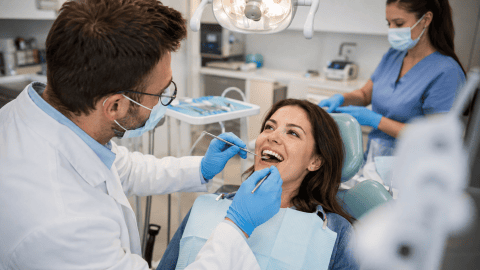
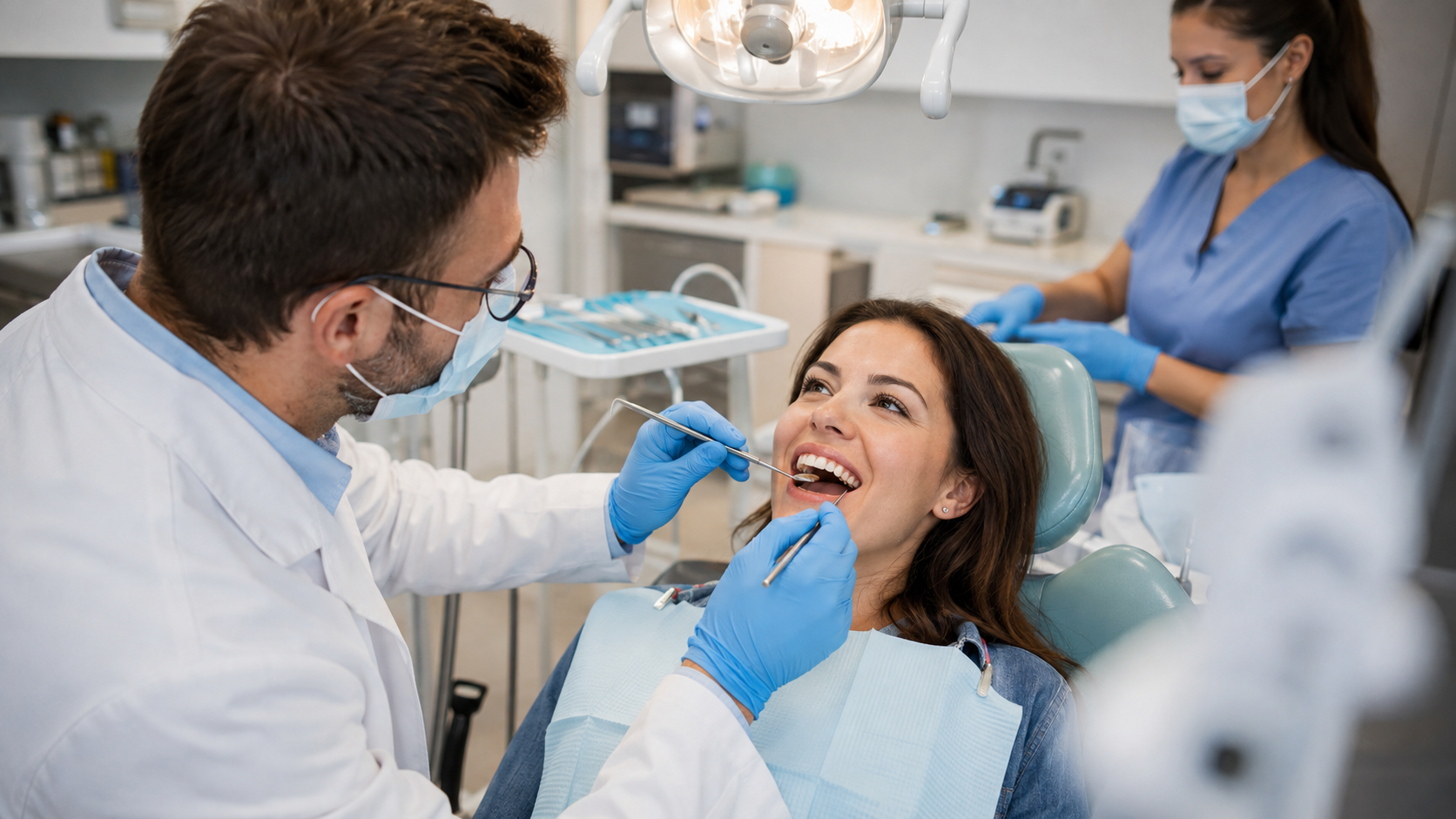
The first appointment focuses on learning about the patient’s smile goals and checking whether Invisalign is appropriate. The dentist will examine the teeth, gums, bite, and overall oral health. If there are concerns such as gum disease, untreated cavities, or significant enamel problems, those may need attention before aligner treatment begins.
This visit is also a good time for patients to ask questions about treatment length, cost, payment options, daily wear, and what results may be realistic for their situation.
2. Digital Scans and Treatment Planning
If the patient is a candidate, the dental team will typically take digital scans or impressions of the teeth. These records help create a personalized treatment plan. Advanced planning software can map out the expected tooth movements and show a preview of how the smile may change.
The plan is then used to fabricate a series of custom aligners. Each set is slightly different, guiding the teeth step by step.
3. Wearing the Aligners
Patients usually wear Invisalign aligners for 20 to 22 hours per day. They should only be removed for meals, drinks other than water, brushing, and flossing. Consistent wear is one of the most important parts of successful treatment.
Most patients change to a new set of aligners every one to two weeks, depending on their dentist’s instructions. Each new set may feel tight at first. Mild tenderness is common for a day or two, especially after switching trays.
4. Progress Checkups
Throughout treatment, the dental team will monitor progress and make sure the teeth are moving as planned. These visits are usually shorter than traditional braces appointments because there are no wires to tighten.
If the aligners are not fitting well or teeth are not tracking as expected, the dentist may recommend adjustments, refinements, or updated scans.
5. Retainers After Treatment
Once the teeth reach their planned positions, the active aligner phase ends. However, the smile still needs support. Retainers help keep teeth from shifting back over time.
Many patients wear retainers full-time at first, then transition to nighttime wear as directed. Retainers are an important part of protecting the investment made in orthodontic treatment.
How Long Does Invisalign Take?
Invisalign treatment time depends on the complexity of the case, how far the teeth need to move, and how consistently the patient wears the aligners. Some minor cases may take only several months, while more involved cases can take a year or longer.
Patients who wear their aligners as instructed are more likely to stay on schedule. Forgetting to wear aligners, leaving them out for long periods, or losing trays can delay progress. The dentist will give a more accurate timeline after reviewing the patient’s specific smile and bite.
Is Invisalign Painful?
Invisalign is generally described as more comfortable than traditional braces, but it is still moving teeth. That means some pressure is expected. Patients may notice tightness when they first receive a new set of aligners. This usually improves within a few days.
To manage mild soreness, patients can switch to a new aligner before bedtime, eat softer foods for a day, and follow the dentist’s recommendations for over-the-counter pain relief if appropriate. If pain feels sharp, severe, or does not improve, the patient should contact the dental office.
Eating, Drinking, and Cleaning With Invisalign
One of the easiest parts of Invisalign is that meals stay simple. Since aligners are removed before eating, patients can enjoy most of their usual foods. The key is remembering to put the aligners back in after eating and cleaning the teeth.
Daily Care Tips
- Remove aligners before eating or drinking anything besides water.
- Brush and floss before putting aligners back in whenever possible.
- Rinse aligners with cool or lukewarm water.
- Avoid hot water, which can warp the plastic.
- Store aligners in their case when they are not being worn.
- Keep up with routine dental cleanings during treatment.
Good hygiene matters because aligners sit closely against the teeth. Food particles, plaque, and sugary drinks can become trapped under the trays, increasing the risk of cavities, staining, or gum irritation.
Who May Be a Good Candidate for Invisalign?
A good Invisalign candidate is usually someone with healthy teeth and gums, mild to moderate alignment concerns, and a commitment to wearing aligners consistently. Because aligners are removable, patient responsibility plays a major role in treatment success.
Invisalign may be a good option for patients who:
- Want a more discreet alternative to metal braces
- Can wear aligners 20 to 22 hours per day
- Have crowding, spacing, or bite concerns that are suitable for aligner therapy
- Brush and floss regularly
- Can keep track of removable trays
- Are willing to attend progress visits
Patients with active gum disease, untreated tooth decay, severe bite problems, or certain jaw alignment concerns may need other treatment first. A consultation is the only way to know for sure.
Invisalign for Adults and Teens
Invisalign is popular with adults because it offers a subtle way to improve the smile without the look of traditional braces. Many adults who never had orthodontic treatment, or who experienced shifting after braces years ago, find clear aligners appealing.
Teens may also be candidates, especially if they are responsible enough to wear and care for the aligners properly. For younger patients, the dentist will consider dental development, compliance, and whether all necessary permanent teeth have erupted.
How Much Does Invisalign Cost?
The cost of Invisalign varies based on the complexity of treatment, the number of aligners needed, the length of care, and whether additional procedures are necessary. Dental insurance may cover a portion of orthodontic treatment in some plans, but benefits vary widely.
During a consultation, patients can ask for a personalized estimate and learn about available payment options. It is helpful to bring insurance information and ask whether flexible financing or phased payments are available.
Patients should be cautious about choosing aligner treatment based only on price. Proper diagnosis, professional monitoring, and a treatment plan designed for the patient’s bite and oral health are important for safety and long-term results.
Why Choose a Local Dentist for Invisalign in Modesto, CA?
Working with a local dental team offers convenience and peace of mind. Invisalign treatment requires planning, follow-up visits, and professional oversight. If an aligner does not fit properly, a tooth is not moving as expected, or a patient has discomfort, it helps to have a nearby provider who can evaluate the issue.
A local dentist can also look at the bigger picture of oral health. Straightening teeth is not only about appearance. Proper alignment may make teeth easier to clean and can support healthier function. Regular exams, cleanings, cavity checks, and gum care can all be coordinated alongside aligner treatment.
Questions to Ask at an Invisalign Consultation
A consultation should feel informative, not rushed. Patients can get more from the visit by preparing a few questions ahead of time.
- Is Invisalign a good option for this smile and bite?
- How long is treatment expected to take?
- How many hours per day should the aligners be worn?
- Will attachments or refinements be needed?
- What happens if an aligner is lost or damaged?
- How often are checkup visits required?
- What is included in the total cost?
- Will retainers be needed after treatment?
Clear answers help patients feel confident and prepared before starting treatment.
Frequently Asked Questions About Invisalign
Is Invisalign really invisible?
Invisalign aligners are clear and very discreet, but they are not completely invisible. Most people find them far less noticeable than traditional braces, especially from a normal speaking distance.
Can patients drink coffee with Invisalign?
Patients should remove aligners before drinking coffee, tea, soda, wine, or any beverage besides water. Dark drinks can stain the aligners, and sugary or acidic drinks can increase the risk of tooth decay if trapped under the trays.
What happens if someone forgets to wear the aligners?
Occasionally forgetting for a short time may not ruin treatment, but frequent or extended time without aligners can delay progress. If aligners feel too tight after being left out, the patient should contact the dental office for guidance.
Are attachments always needed?
Not always. Attachments are small tooth-colored shapes placed on certain teeth to help aligners grip and move them more effectively. Whether they are needed depends on the treatment plan.
Can Invisalign fix all bite problems?
No. Invisalign can help with many bite concerns, but severe or complex bite issues may require braces, additional appliances, or specialist care. A dentist can explain the safest and most effective options after an exam.
Will teeth stay straight after Invisalign?
Teeth can shift after any orthodontic treatment if retainers are not worn as directed. Wearing retainers is the best way to maintain results over time.
How often are Invisalign appointments needed?
Appointment schedules vary. Many patients have periodic progress checks every several weeks or months, depending on the treatment plan and the provider’s recommendations.
A Straighter Smile Starts With a Conversation
Invisalign can be a comfortable, modern option for patients who want to straighten their teeth without the look and feel of traditional braces. For many people, clear aligners offer a practical balance of appearance, convenience, and professional guidance.
Anyone considering Invisalign in Modesto, CA should begin with a personalized consultation. A dental professional can evaluate the teeth and bite, explain realistic options, answer questions, and help determine whether Invisalign is the right fit. For patients ready to explore the next step, Modesto Dentistry And Implants - CA can help start that conversation with friendly, patient-focused care.